Bobbin Lace of Poland: Craft, Pattern, and Place
An ongoing reference on the instruments, regional designs, and working methods behind Polish bobbin lacemaking — from the Silesian highlands to the Kurpie forests.

Craft Documentation
Three areas of research: the working technique, the regional pattern traditions, and the physical tools used by Polish lacemakers.
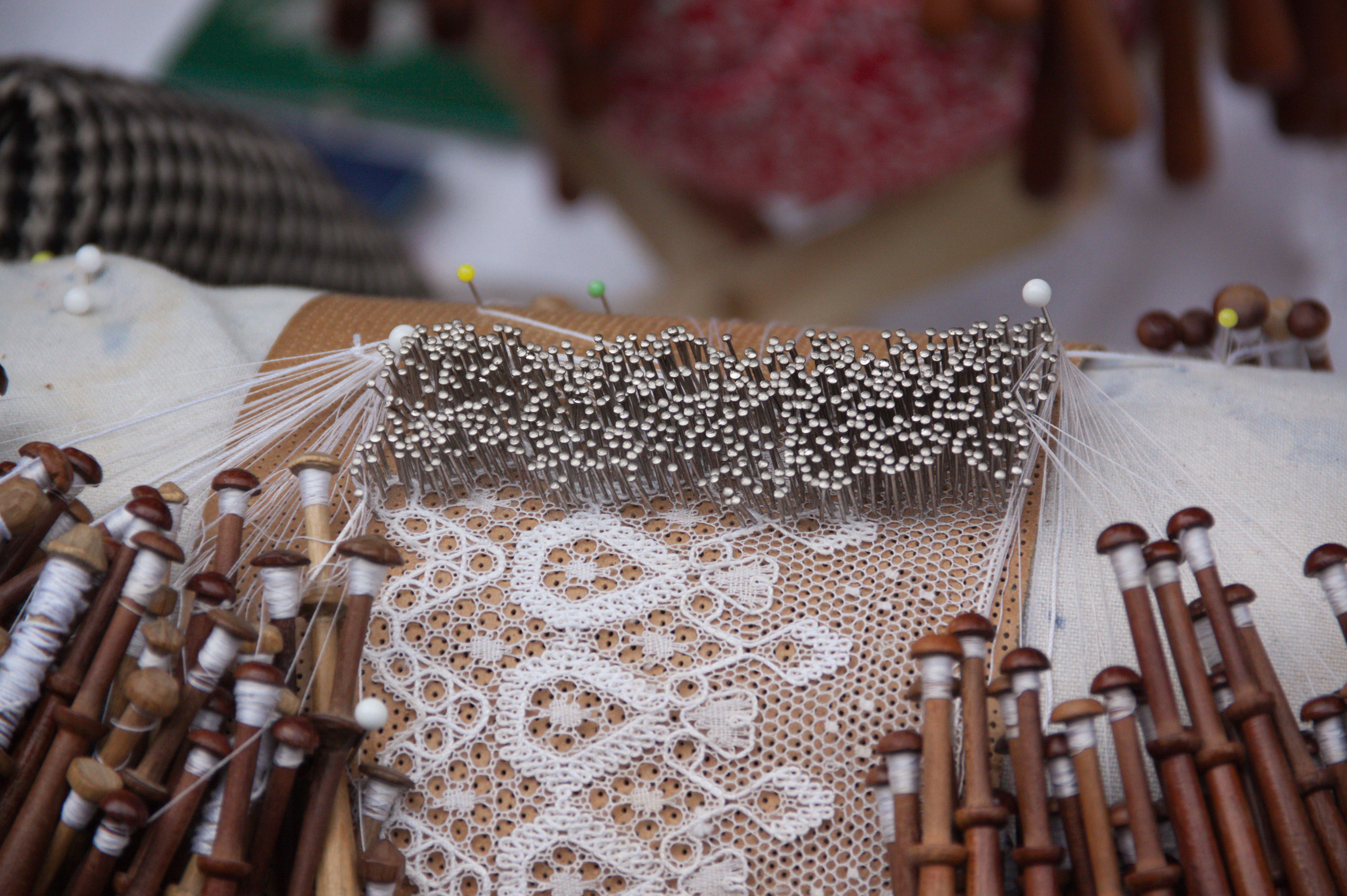
Bobbin Lace Techniques in Poland
How the crossing and twisting of thread pairs on a bolster pillow produces the openwork structures characteristic of Polish koronka klockowa.
Read article →
Regional Patterns of Polish Lace
The distinct visual grammars of Silesian, Lesser Poland, and Kurpie lace — how geography, textile trade routes, and local custom shaped each tradition.
Read article →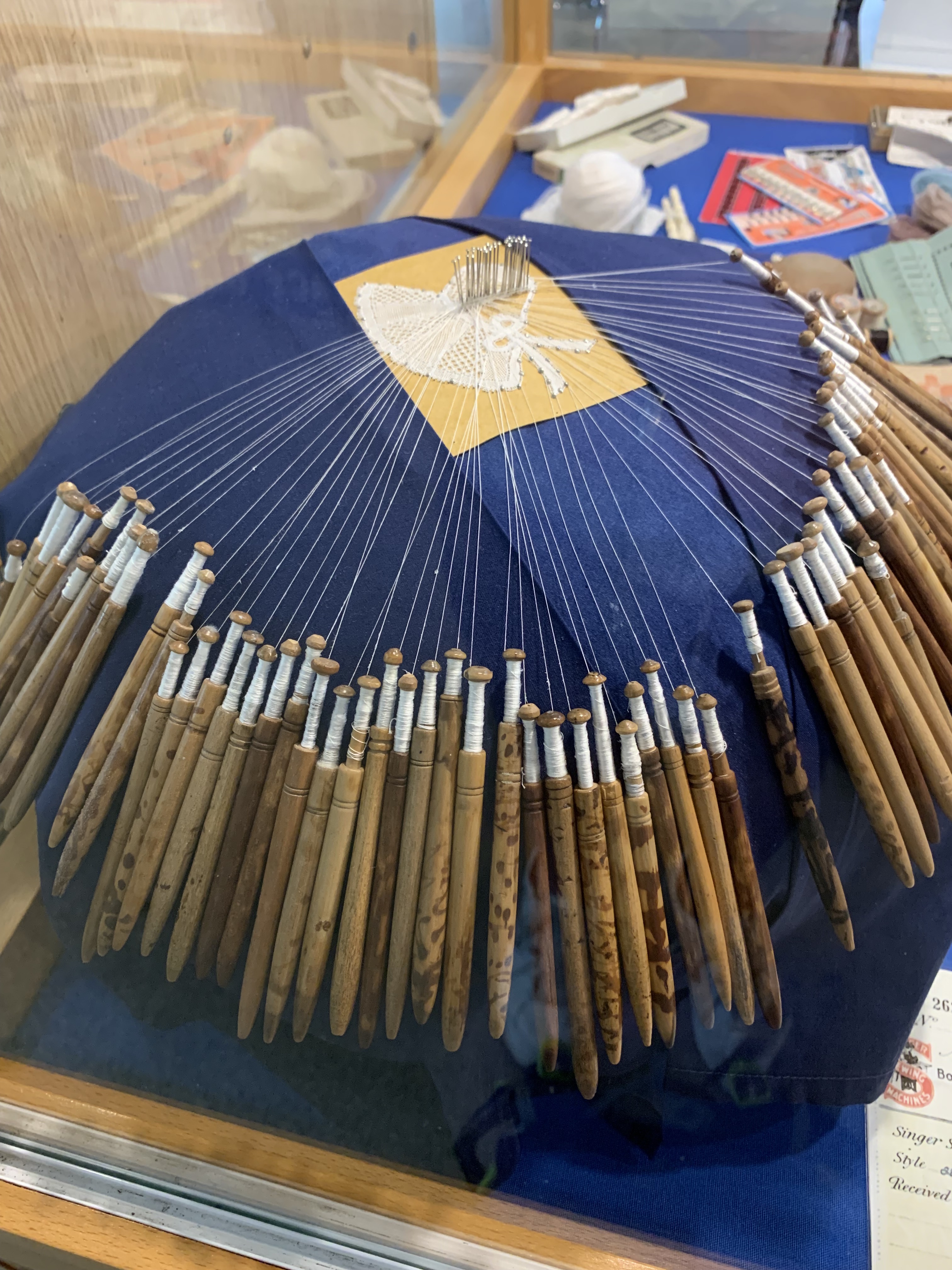
Tools and Materials for Bobbin Lacemaking
The bolster pillow, bobbins, pricking card, and thread types — their construction, sources, and role in determining the character of finished lace.
Read article →A Living Craft with Deep Regional Roots
Bobbin lace production in Poland is documented from at least the seventeenth century, with centres emerging in areas that combined wool and linen textile traditions with access to trade networks. The Silesian Beskids — particularly the village of Koniaków — became the most internationally recognised source of Polish bobbin lace during the twentieth century.
The Kurpie region northeast of Warsaw developed a parallel tradition characterised by bold geometric motifs worked in heavy cotton thread. Smaller centres in the Kraków area and the Podhale highlands each produced distinctive local variants.
Today the craft is practised by a relatively small number of active lacemakers, many organised through regional cultural associations and folk art exhibitions. The Warsaw Ethnographic Museum and the State Ethnographic Museum hold documented collections of historic examples.

Send a Query
For research inquiries, corrections to published content, or general correspondence about Polish lace traditions.